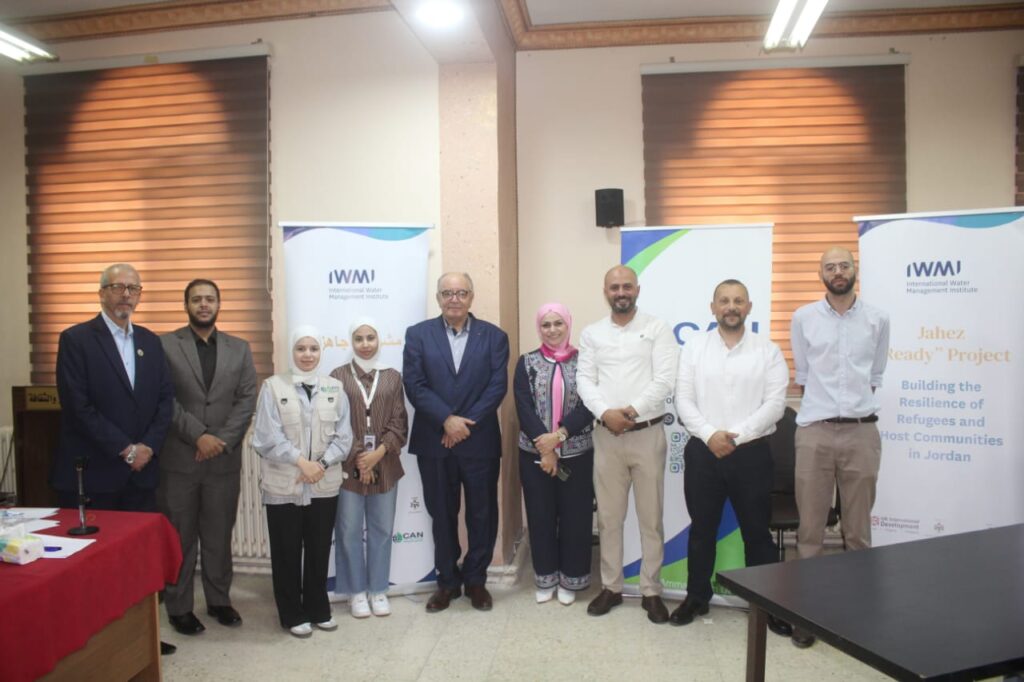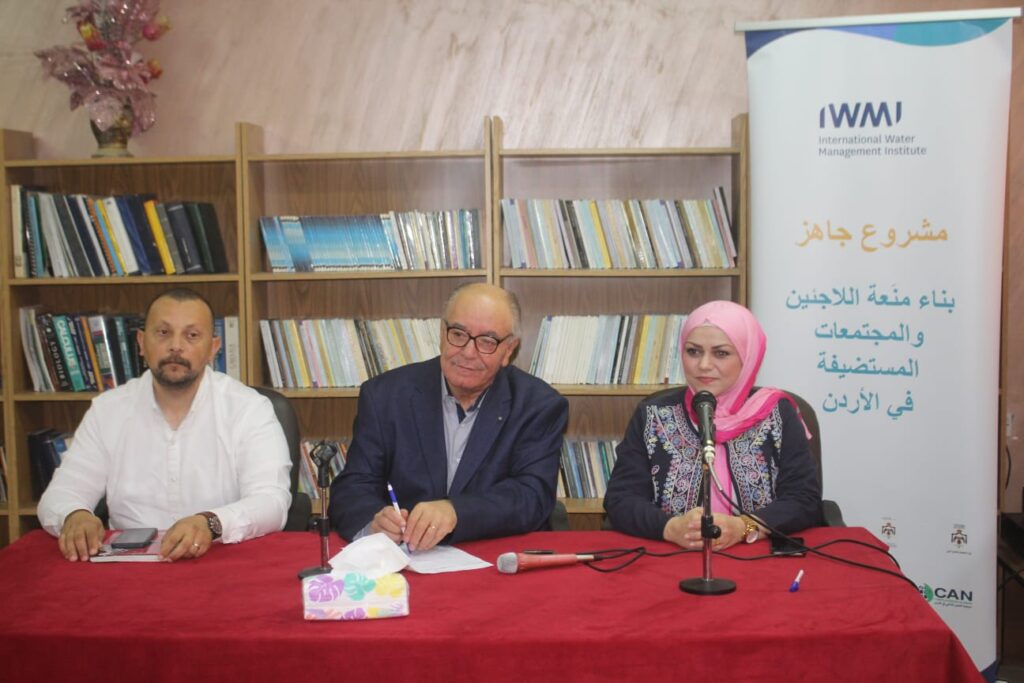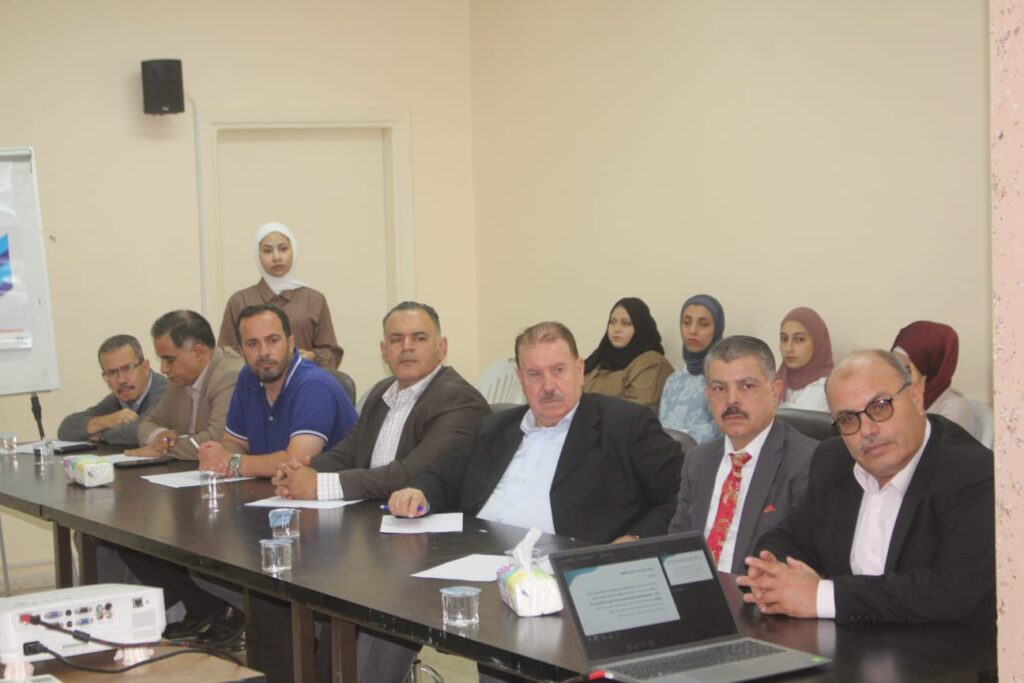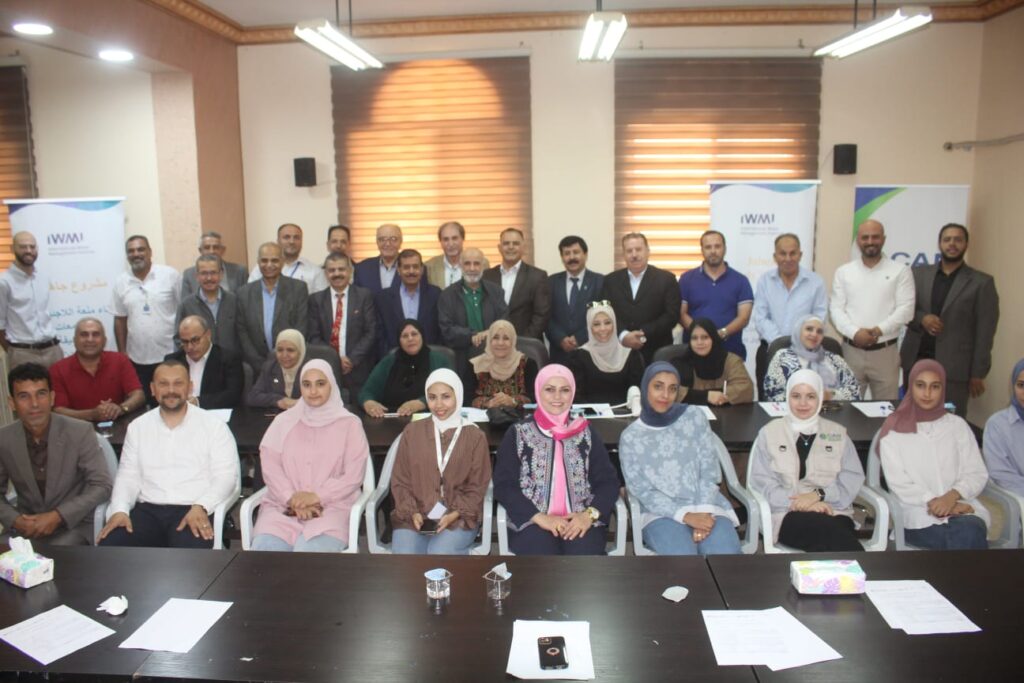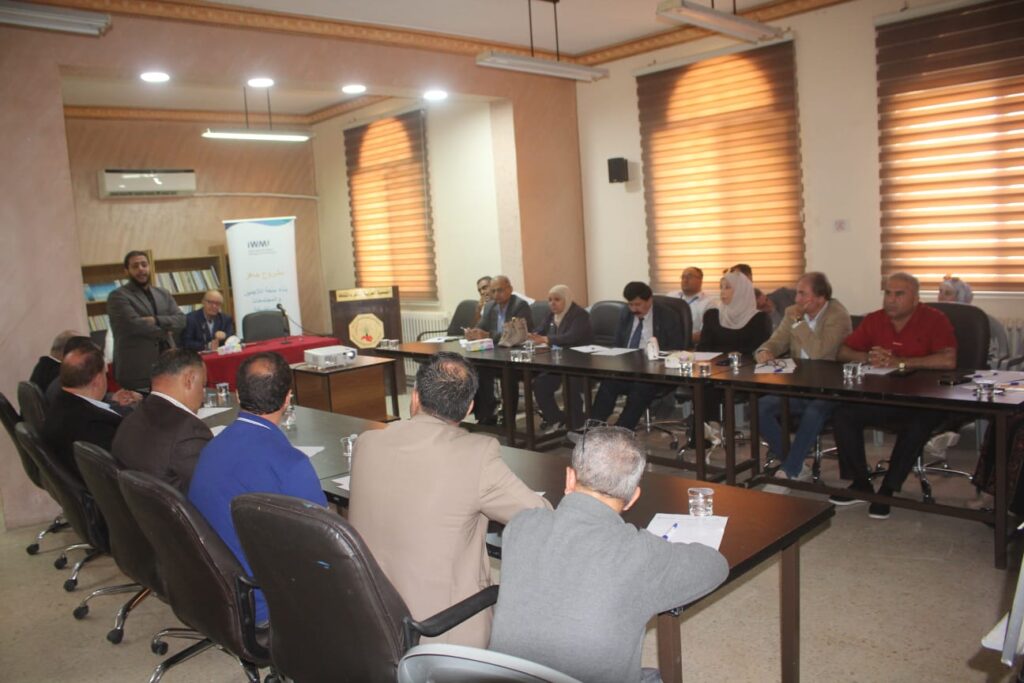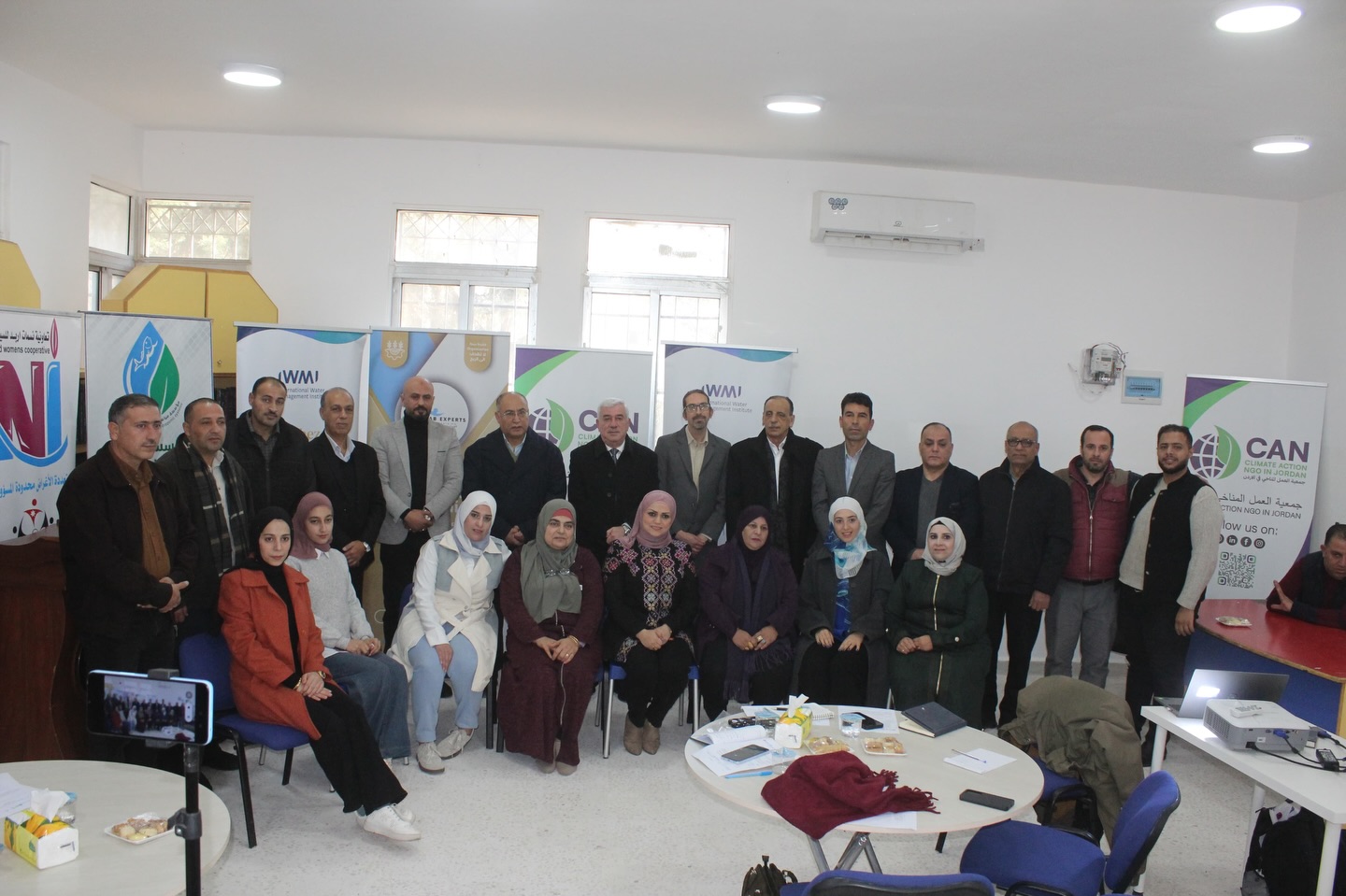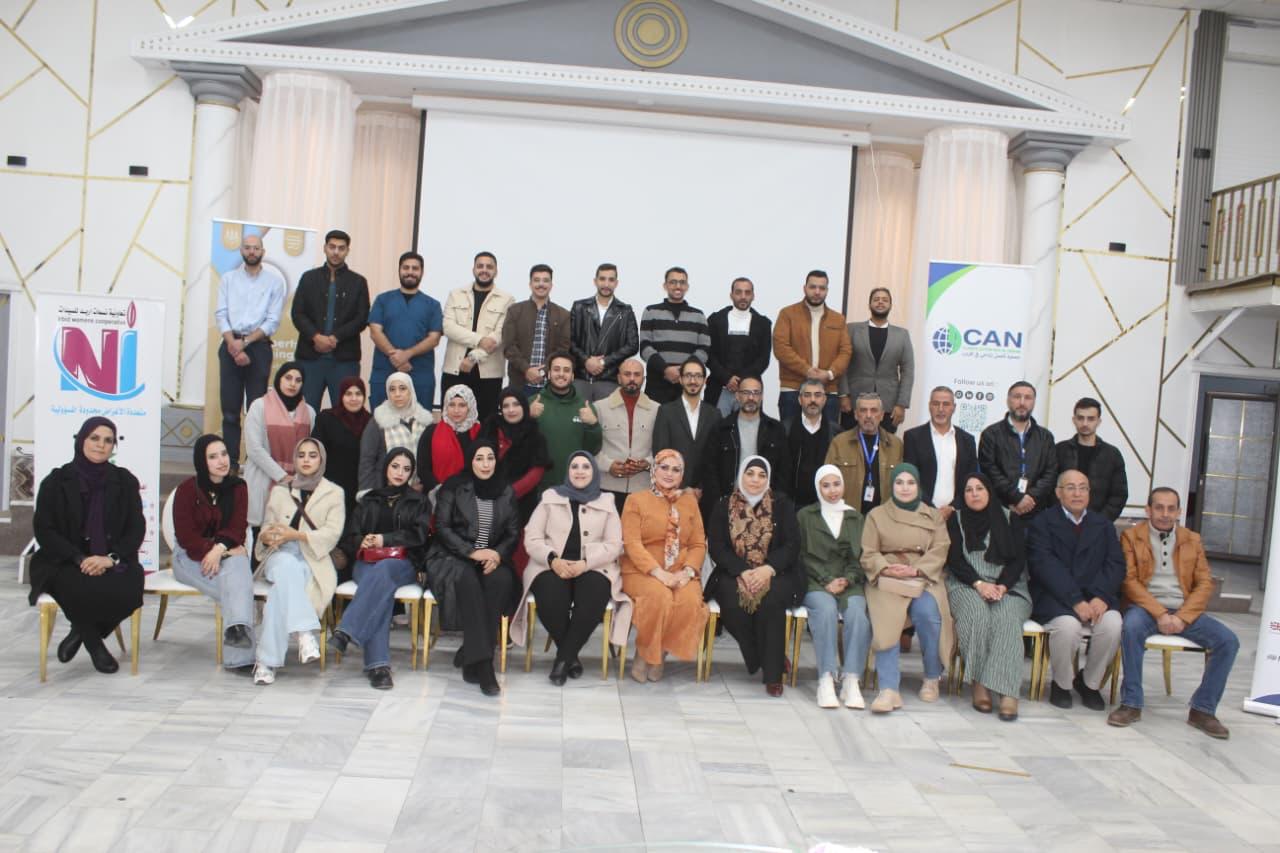
The Climate Action Network (CAN), in collaboration with the International Water Management Institute (IWMI), and with the support of the UK Foreign, Commonwealth & Development Office (FCDO), and local municipalities and concerned national entities, organized a consultation workshop today, Monday, October 26, 2025, with the local community and stakeholders in Ramtha Municipality. The event was held under the framework of the Jahez Project (Building Refugee and Host Community Resilience in Jordan).
Eng. Doaa Aldeerbany, CEO of the Climate Action Network in Jordan and Jahez Project Manager at CAN, affirmed that this workshop represents the initial launch in a series of steps aimed at identifying and selecting the areas most vulnerable to climate change risks in Ramtha.
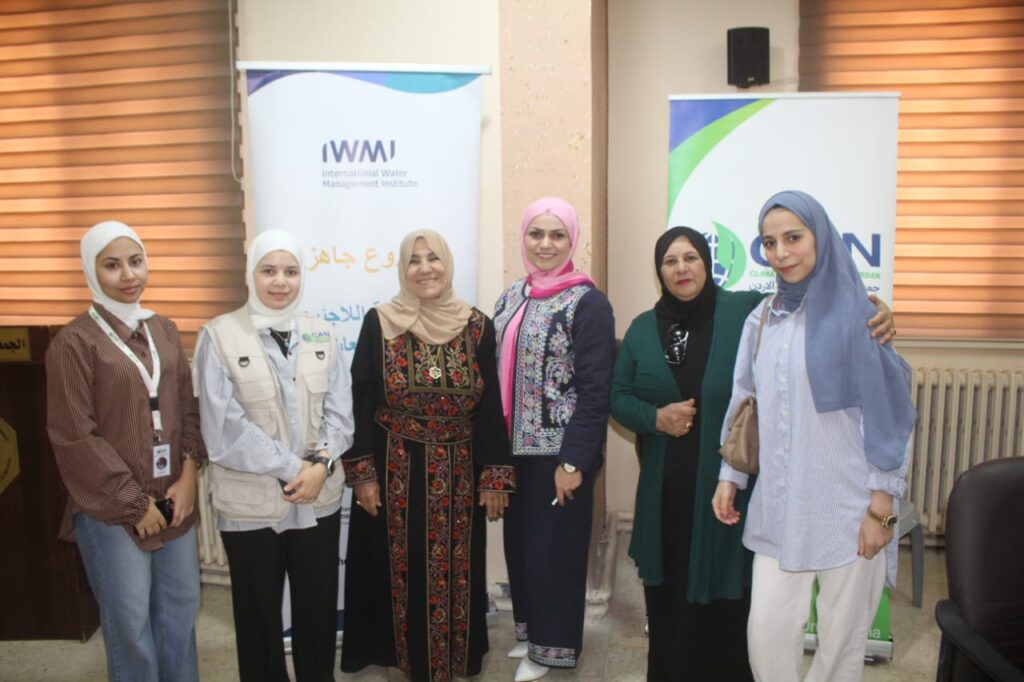
The workshop was opened with the attendance of Eng. Abdullah Anaqreh, representing the International Water Management Institute (IWMI), and representatives from the Climate Action Network: Dr. Fadhel Al Zoubi, International Expert in Disaster Risk Reduction (DRR) Management, and Eng. Doaa Aldeerbany, alongside Dr. Ibrahim Jite, Head of the Culture and Thought Association in Ramtha, which hosted the workshop.
Workshop Program and Key Outputs
The workshop program included opening speeches from the partners, followed by an introductory presentation delivered by the Jahez Project Coordinator in Ramtha, Eng. Hamza Abu Saelik, on the “Jahez” project and its role in confronting local climate challenges.
This was complemented by a presentation of the outputs from the local context study report in Ramtha, which covered:
-Analysis of climate risks.
-Review of national policies.
-Application of risk assessment tools (UNDRR Scorecards).
-Spatial mapping based on Geographical Information Systems (GIS).
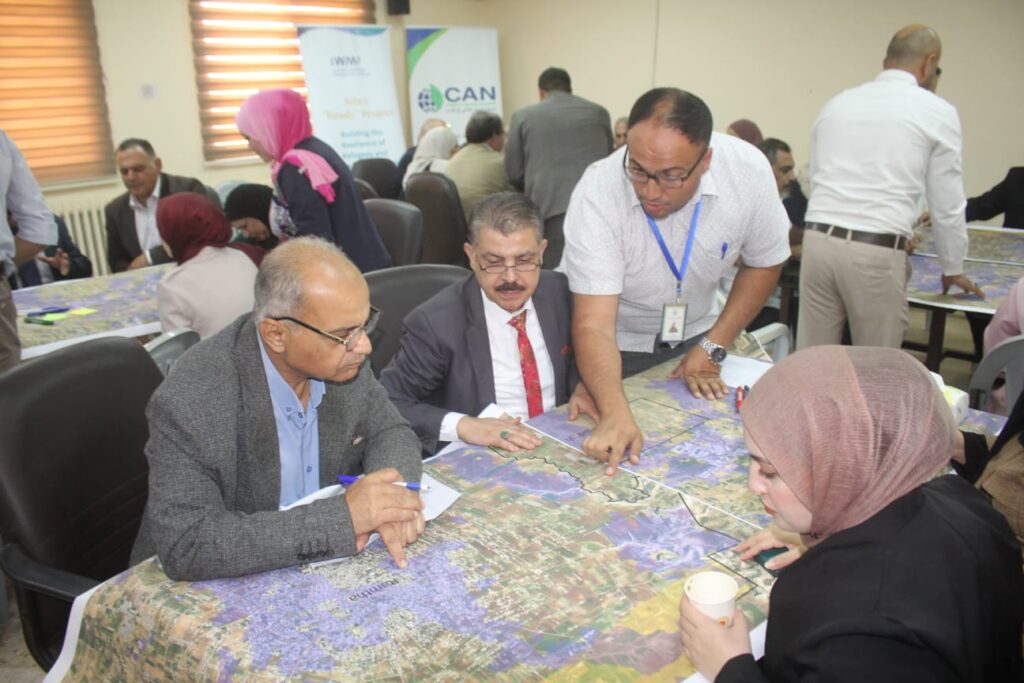
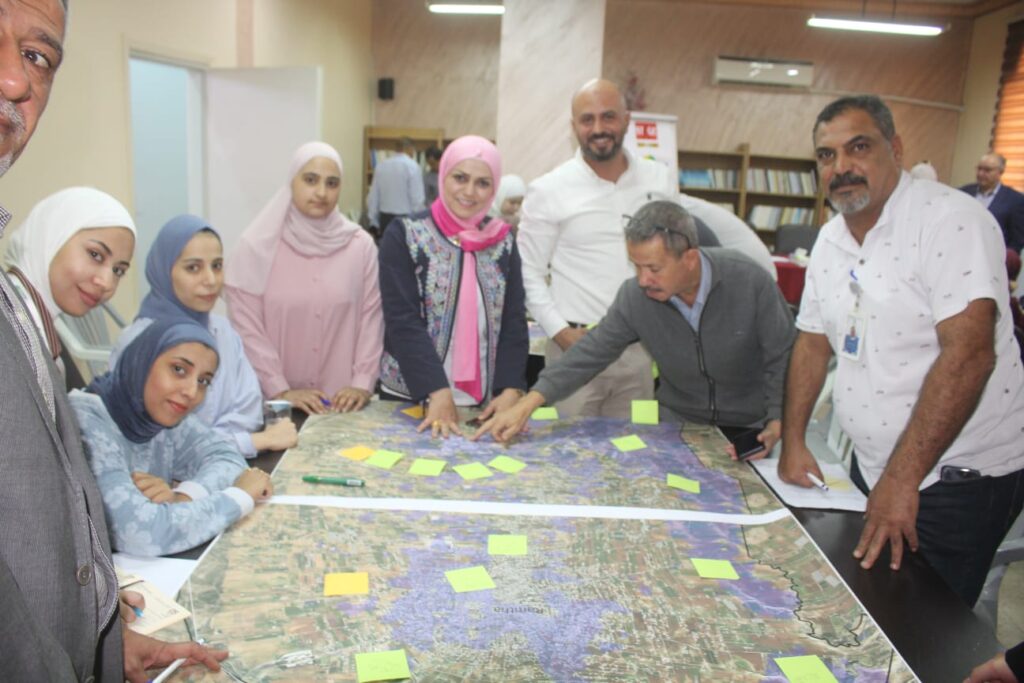
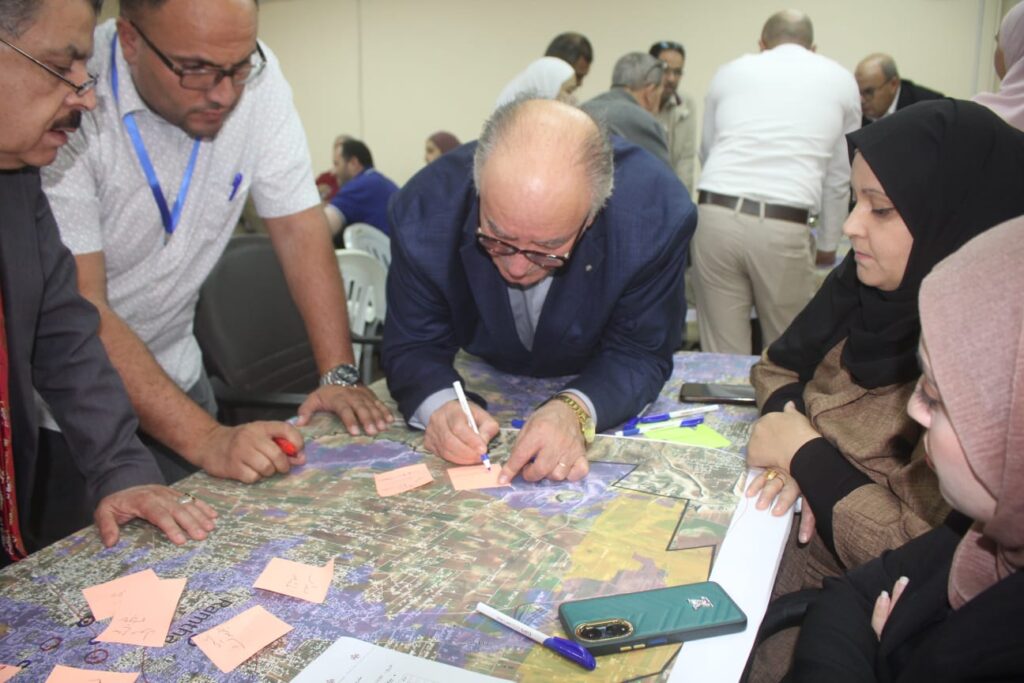
Local community representatives also participated in group working sessions to identify the priority areas most vulnerable to risks within the Ramtha District. This serves as a preliminary step toward preparing a community plan to address future climate challenges and pinpoint areas for implementing interventions and Nature-based Solutions (NbS) to mitigate climate change risks.
Conclusion and Next Steps
The closing remarks emphasized the importance of involving everyone in the change process through holding consultative meetings and field visits to the areas, the necessity of raising awareness of climate change and its harms, and the formation of a Community Disaster Risk Reduction Steering Group (DRR-SG) composed of relevant stakeholders.
Furthermore, the need for training programs for municipalities and the local community, as well as field awareness campaigns to enhance readiness and sustainability, was highlighted, all with the goal of creating positive and sustainable change..