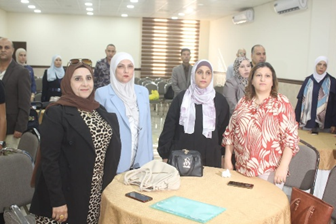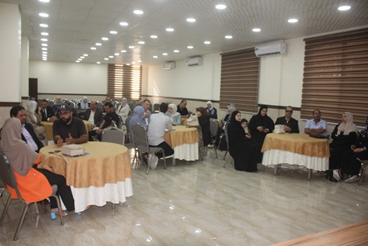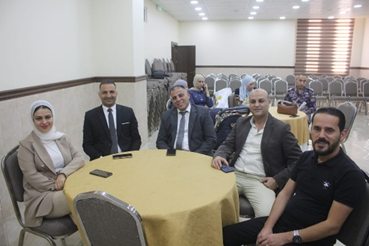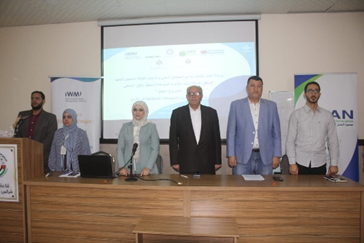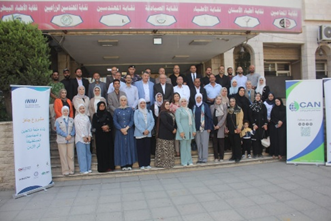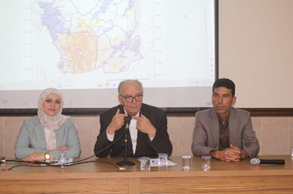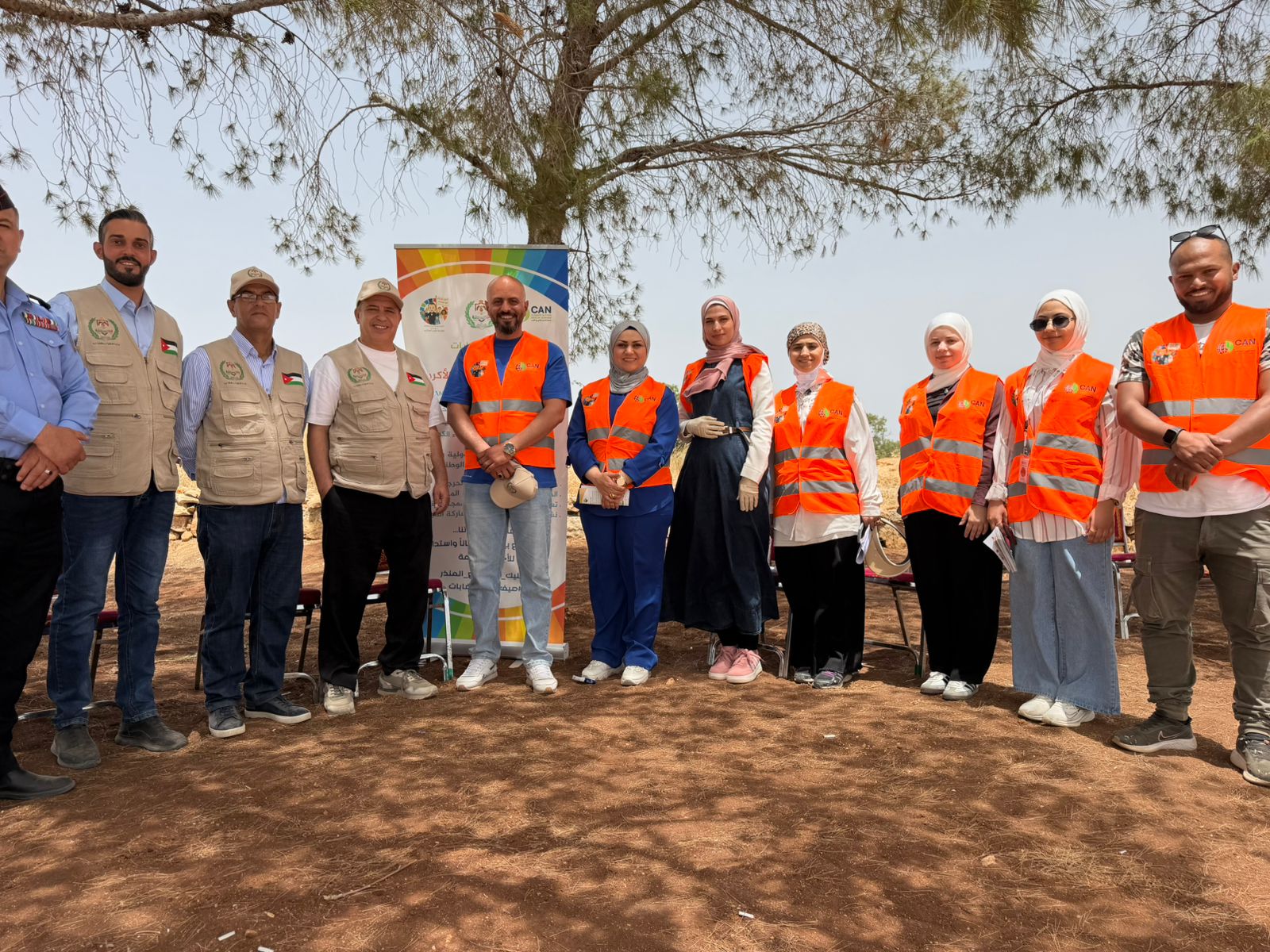
The Climate Action Network (CAN Jordan), in cooperation with the International Water Management Institute (IWMI) and supported by the UK Foreign, Commonwealth & Development Office (FCDO), held a workshop today at the Professional Syndicates Complex – Irbid Branch. The goal of the workshop was to identify the areas most vulnerable to climate change risks as part of the “Jahez” Project activities.
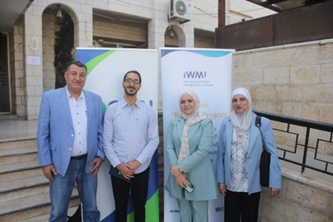
The workshop was inaugurated by a delegate representing H.E. the Governor of Irbid, Assistant Governor Dr. Rami Obaidat, and was attended by Dr. Ahmed Massoud, representing the International Water Management Institute (IWMI); Eng. Layla Yousef, Liaison Officer for Irbid Greater Municipality; Dr. Fadhel Al Zoubi, CAN Advisor and Expert in Disaster Risk Reduction Management; and Eng. Doaa Aldeerbany, President of CAN and Jahez Project Manager.
The workshop saw active participation from local partners, including:
–Mayyas Foundation for Modern Agricultural Systems
–Nasamat Irbid Cooperative Society
–Arab Experts Foundation for Training
Representatives from official directorates, municipalities, and local community institutions.
Eng. Doaa Aldeerbany noted that this workshop is a continuation of the field efforts that began in Irbid District. It aims to identify the climate hotspots most affected by climate change in Irbid Governorate—specifically within the Irbid Greater Municipality—as a first step towards assessing area vulnerability and developing a community-based plan to address environmental risks through Nature-based Solutions (NbS).
The workshop program included opening remarks from the partners, followed by a presentation of the main findings from the Irbid local context study report. This report covered climate risk analysis, review of national and local policies, application of risk assessment tools (UNDRR Scorecards), and mapping using Geographical Information Systems (GIS).
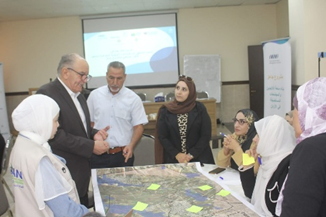
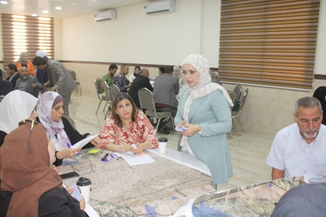
The workshop concluded with interactive group sessions where local community representatives participated in prioritizing interventions and identifying the highest-vulnerability areas, in preparation for selecting the target sites for climate interventions in the next phase of the project.
The “Jahez” Project aligns with the Climate and Refugee Nexus initiative launched by His Majesty King Abdullah II Ibn Al Hussein during COP27, as part of national efforts to build more prepared and resilient communities in the face of climate change.